
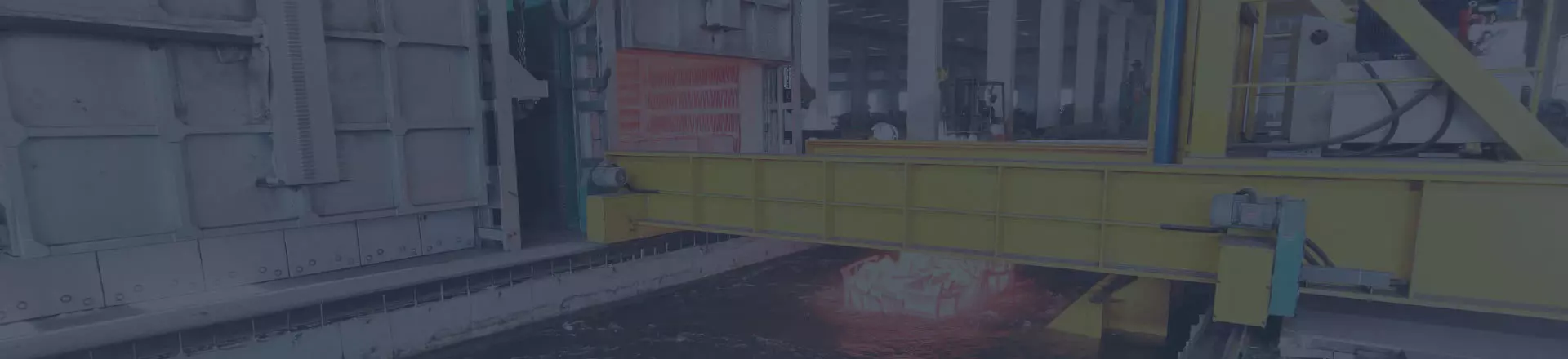

The Science Behind Heat Treatment: Why Your Blow Bars Keep Breaking
In the high-stakes world of mineral processing, sudden equipment failure is a nightmare. If you’ve ever wondered why your blow bars or chromium crusher hammers fracture prematurely despite having high hardness, the answer often lies hidden within the heat treatment process—and Shandong Jiujiu Machinery has mastered the critical science behind it to solve this industry pain point for global mineral processing operators.
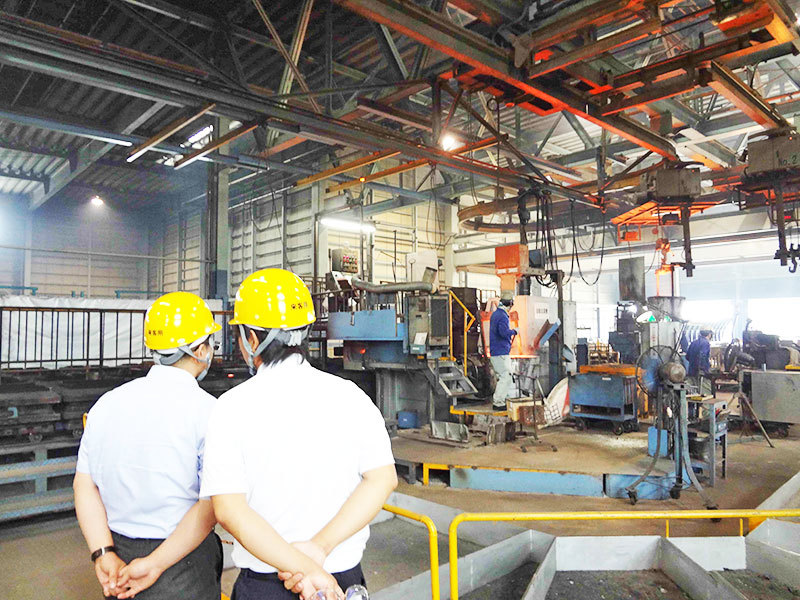
Testimonial: 8 Years of Stable Partnership with a Professional Aggregate Producer
As a professional OEM manufacturer of crusher wear parts, Shandong Jiujiu Machinery Co., Ltd is pleased to share a testimonial about our 8-year stable partnership with a professional aggregate producer—one that has stood the test of time and won the client’s full recognition, with a clear commitment to continuing our cooperation in the future.

Why Your Crusher Liners Are Wearing Out Too Fast: 5 Common Culprits
In the world of mining and aggregate production, crusher liners are the heartbeat of your operation. When they wear out prematurely, it’s not just the cost of the metal—it’s the nightmare of unplanned downtime and lost production.

3 Regional Markets Booming for Wear Parts Distributors: 2026 Demand Growth 20%+
For crusher wear parts distributors, breaking price wars and boosting profits in 2026 relies on seizing booming regional markets—avoiding saturated areas and focusing on high-growth regions. As a professional wear-resistant castings manufacturer, we summarize key insights: focus on Southeast Asia, Africa, and Southwest China, where crusher wear parts demand grows over 20% annually. Below is a concise guide with demand traits, product, and real distributor success.

How Distributors Judge Wear Parts Quality in 60 Seconds
Master quick wear parts quality inspection skills to boost your distributor sales skills. Learn 60-second checks for crusher wear parts and wear-resistant castings. For wear parts distributors, quickly proving crusher parts quality to customers is the key to closing deals and building trust. Many mines and quarry buyers doubt product quality before purchasing—and you can win their confidence with simple, fast checks.

2026 Crusher Wear Parts Inventory Guide for Distributors: Stop Wasting Money, Cut Costs by 30%
As a crusher wear parts distributor, balancing inventory levels is a constant challenge: overstock ties up capital, while stockouts lose clients to competitors. In 2026, with raw material price volatility (up 8-12% annually for manganese and chromium) and regional demand shifts, smart inventory management forwear-resistant castings isn’t just efficient—it’s profitable. Below is a actionable guide to optimize your stock of crusher liners, crusher hammers, and other core mining wear components, backed by industry data and tailored to your distribution needs.

Lost Foam + Shell Molding: Our Dual-Casting Process for Consistent Crusher Wear Part Quality
Discover how our dual-casting (lost foam + shell molding) elevates crusher wear part quality—precision, durability for liners, hammers & mining components. As a specialized crusher wear parts manufacturer, our dual-casting process (lost foam + shell molding) is the backbone of consistent, high-quality wear-resistant castings for mining equipment. Different crusher components demand distinct casting strengths—and a single process can’t deliver both complexity and precision.

Why Generic Grate Bars Fail in 6 Months: Our High-Chromium Cast Iron Solution Cuts Downtime by 70%
For waste incinerator operators, frequent grate bar failure is a costly nightmare: generic grate bars often crack or deform in just 6 months, causing monthly downtime (3+ days per outage) and losing $10k+ in productivity each time. As a professional heat-resistant and wear-resistant castings manufacturer, we solve this pain point with our high-chromium cast iron grate bars—engineered to withstand extreme incineration environments and outperform generic alternatives.

5 Mistakes to Avoid When Buying Crusher Wear Parts for Mining Machinery
Choosing the right crusher wear parts is key to mining efficiency and cost control. Many mines fall into procurement pitfalls, causing premature failures and downtime. Beyond "hardness-only obsession," here are 7 mistakes to avoid—backed by real scenarios and tips.

5 Ways to Cut Crusher Wear Part Replacement Costs in Mining Plants
Want to cut mining crusher wear part replacement costs? Learn actionable tips to extend part lifespan, optimize selections, and lower downtime expenses for ore-crushing operations. For mining plant managers, rising crusher wear part replacement costs and unplanned downtime can severely eat into profit margins. The key to sustainable cost reduction isn’t just opting for cheaper alternatives—it’s optimizing how you select, use, and maintain high-quality mining crusher wear components like crusher liners and alloy steel wear plates. By aligning your part choices with operational needs, you can slash annual expenses while boosting the uptime of your mining machinery.
CONTACT US
Telephone:+86-13792621099
Weifang Binhai New Area Sino-foreign Cooperation Industrial Park, about 260 meters west of the intersection of Hai 'an Road and Zhenhai Street

REQUEST A QUOTE
* Please leave your contact information and we will contact you as soon as possible.
Copyright©2025 Shandong Jiujiu Machinery Co., Ltd. All rights reserved
Powered by 300.cn |SEOLabel Privacy Policy