
Category
Product Description
High-Performance Sinter Machine Grate Bars for Enhanced Metallurgical Efficiency
Sinter machine grate bars are a key component in the sintering process, whose function is similar to a skeleton structure that supports the sintered materials in a high-temperature environment. At Shandong Jiujiu Machinery, we treat these components as the fundamental air-permeable foundation of the sintering strand. By allowing hot air to pass through and form a stable combustion zone, these bars ensure that iron ore fines are transformed into high-quality sinter for blast furnace consumption without the mechanical failures that plague lower-grade castings.
Thermal Resilience and Structural Support
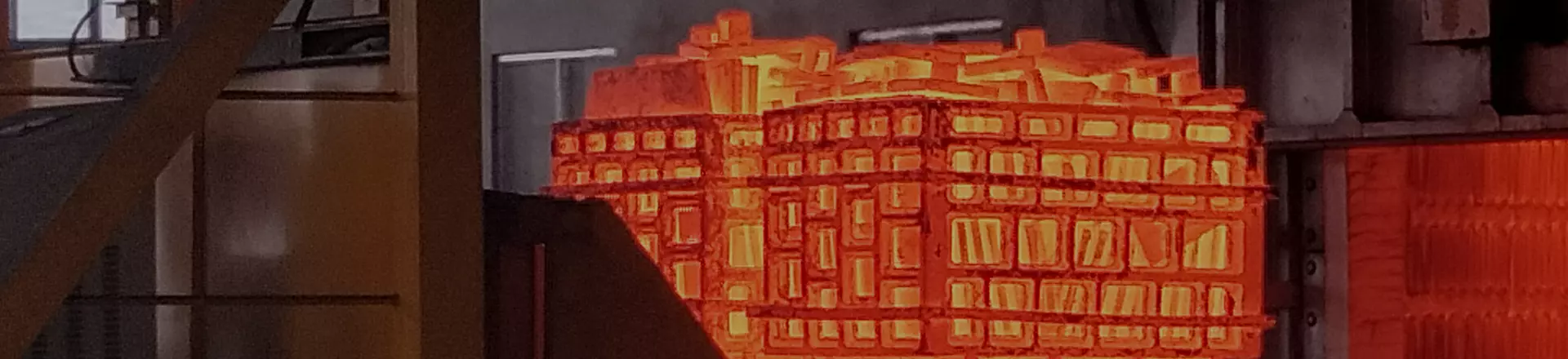
The environment atop a sintering trolley is a brutal mix of extreme heat and chemical aggression. These bars need to withstand high temperatures (800°C-1100°C), corrosion from sulfurous gases, and intense mechanical stress during the discharge phase. To meet these rigorous demands, our sinter machine grate bars are usually made of heat-resistant alloys such as high-chromium cast iron (Cr18, Cr25, or Cr28).
Typically, the grates feature a wavy or concave-convex surface design to increase friction, prevent slipping, and facilitate air distribution, thereby enhancing efficiency. This specialized geometry serves several critical functions:
Uniform Permeability: Precision-cast slots ensure that the suction pressure remains consistent across the entire width of the machine, preventing "cold spots" in the sinter bed.
Oxidation Resistance: The high chromium content forms a self-healing oxide layer that prevents the bars from "growing" or scaling at peak temperatures.
Mechanical Strength: Our bars maintain a stable hardness profile even after thousands of thermal cycles, preventing the sagging or warping that causes equipment jams.
Advanced Manufacturing for Metallurgy
We utilize Vacuum-Sealed Molding (V-Process) to manufacture our grate bars. Unlike traditional sand casting, this method eliminates internal gas porosity and ensures a perfectly smooth surface. This is vital because even a small casting defect can become a "stress riser" under 1000°C, leading to a snapped bar that could potentially damage the down-stream crusher or conveyor system.
Technical FAQ for Maintenance Teams
Q: Why do my current grate bars snap during the discharge phase?
A: Snapping is usually caused by "thermal fatigue" or internal casting defects. Our vacuum-cast, high-chrome alloys are stress-relieved to handle the rapid cooling and mechanical shock experienced at the end of the sintering strand.
Q: Can these bars handle high-sulfur iron ore?
A: Yes. We can customize the alloy with additional Nickel and Silicon to provide enhanced protection against the acidic corrosion caused by sulfur-rich ores.
Q: What is the typical service life of Shandong Jiujiu grate bars?
A: Depending on your specific temperature profile and raw materials, our high-chrome bars typically offer an operational life of 12 to 24 months, significantly reducing your yearly maintenance costs.
Chemical composition % of high chromium cast iron
This product is a customized product and is produced according to customer drawings or samples.
Casting Process
Casting Process
Casting Process
Casting Process
Casting Process
Delivery site
Delivery site
Delivery site
Delivery site
Delivery site
Inspections & Certifications
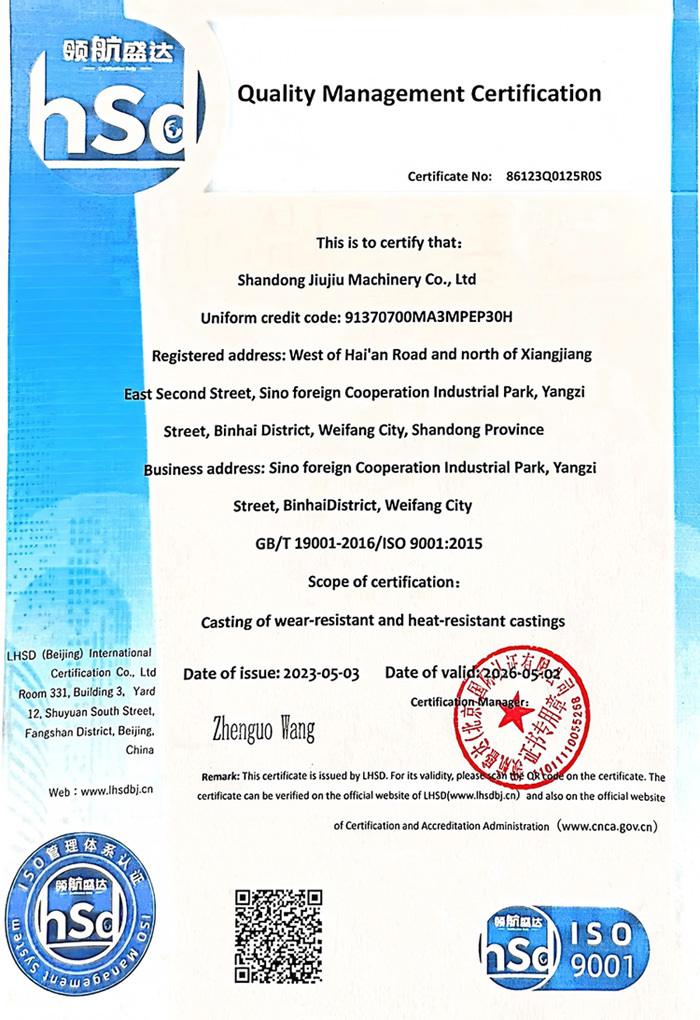
Certifications
Certifications
Customer visits
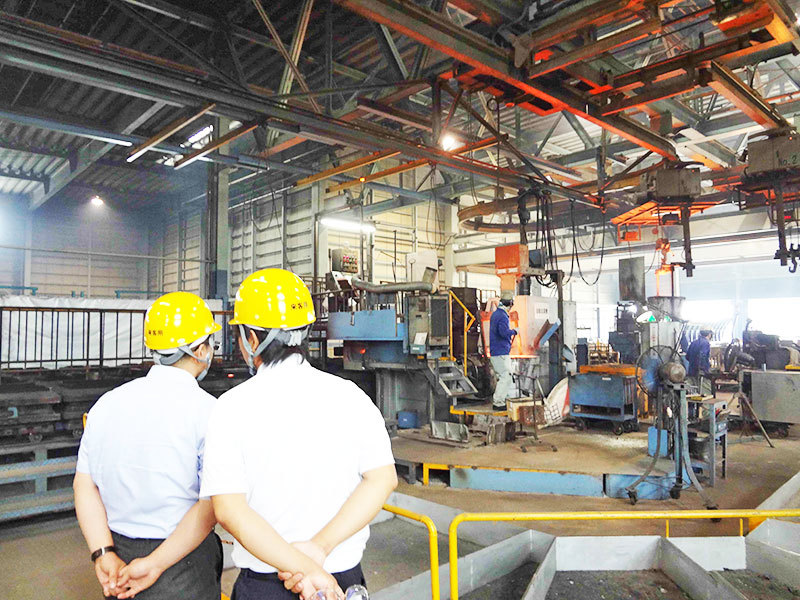
Customer visits
Customer visits
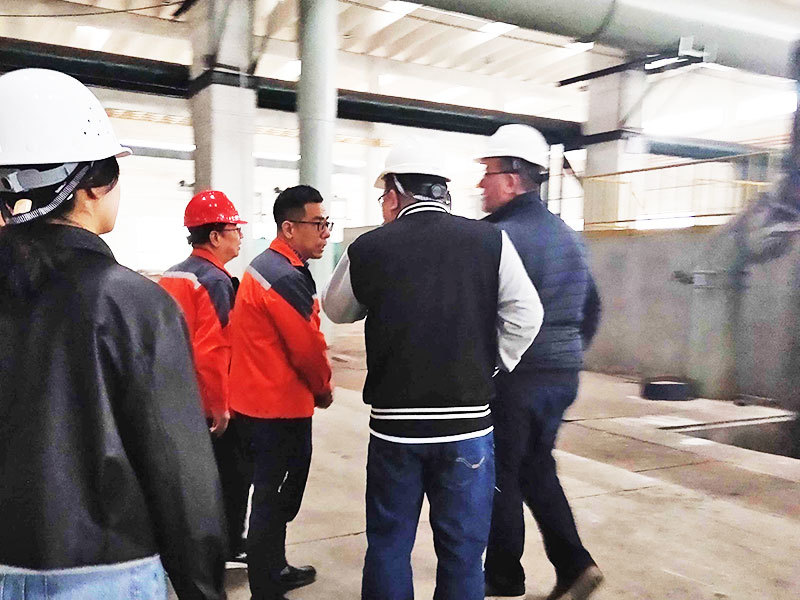
Customer visits
Customer visits
Keywords
sinter machine grate bars
Contact Us
Telephone:+86-13792621099
Weifang Binhai New Area Sino-foreign Cooperation Industrial Park, about 260 meters west of the intersection of Hai 'an Road and Zhenhai Street
Related Products
We believe: you will like more of our products