
Category

Product Description
High-Performance Heat Resistant Steel for WTE Systems
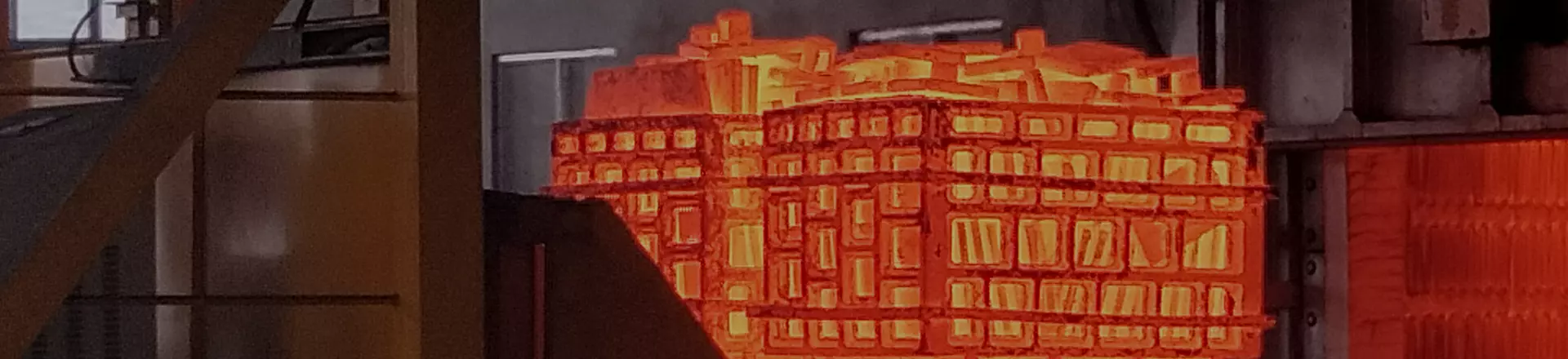
Heat resistant steel for WTE is an alloy engineered for high-temperature environments (usually above 500°C), with properties of oxidation resistance, corrosion resistance, and creep resistance, finding wide use across industries. At Shandong Jiujiu Machinery, we specialize in the metallurgical refinement of these alloys to meet the aggressive demands of Waste-to-Energy (WTE) plants. Unlike standard industrial steels, heat-resistant steels for Waste-to-Energy (WTE) applications typically include stainless steels and chrome moly steels, which are essential for maintaining structural integrity in the presence of corrosive flue gases and molten fly ash.
Advanced Metallurgy for Corrosive Combustion
The efficiency of a WTE boiler or incinerator depends on its ability to operate at high temperatures without premature component failure. Its unique performance stems from special alloy compositions (chromium, nickel, tungsten, etc.) and refined smelting. These elements boost high-temperature resistance, stabilize its structure to avoid grain growth, and form a dense oxide film that slows oxidation, extending the service life of critical furnace components.
Chromium (Cr): Forms a protective chromia scale that resists high-temperature oxidation.
Nickel (Ni): Enhances austenite stability and improves resistance to thermal fatigue and "hot corrosion" caused by chlorides in municipal waste.
Molybdenum (Mo): Increases creep strength, ensuring parts do not "sag" or deform under their own weight at 1000°C.
Precision Casting and Application
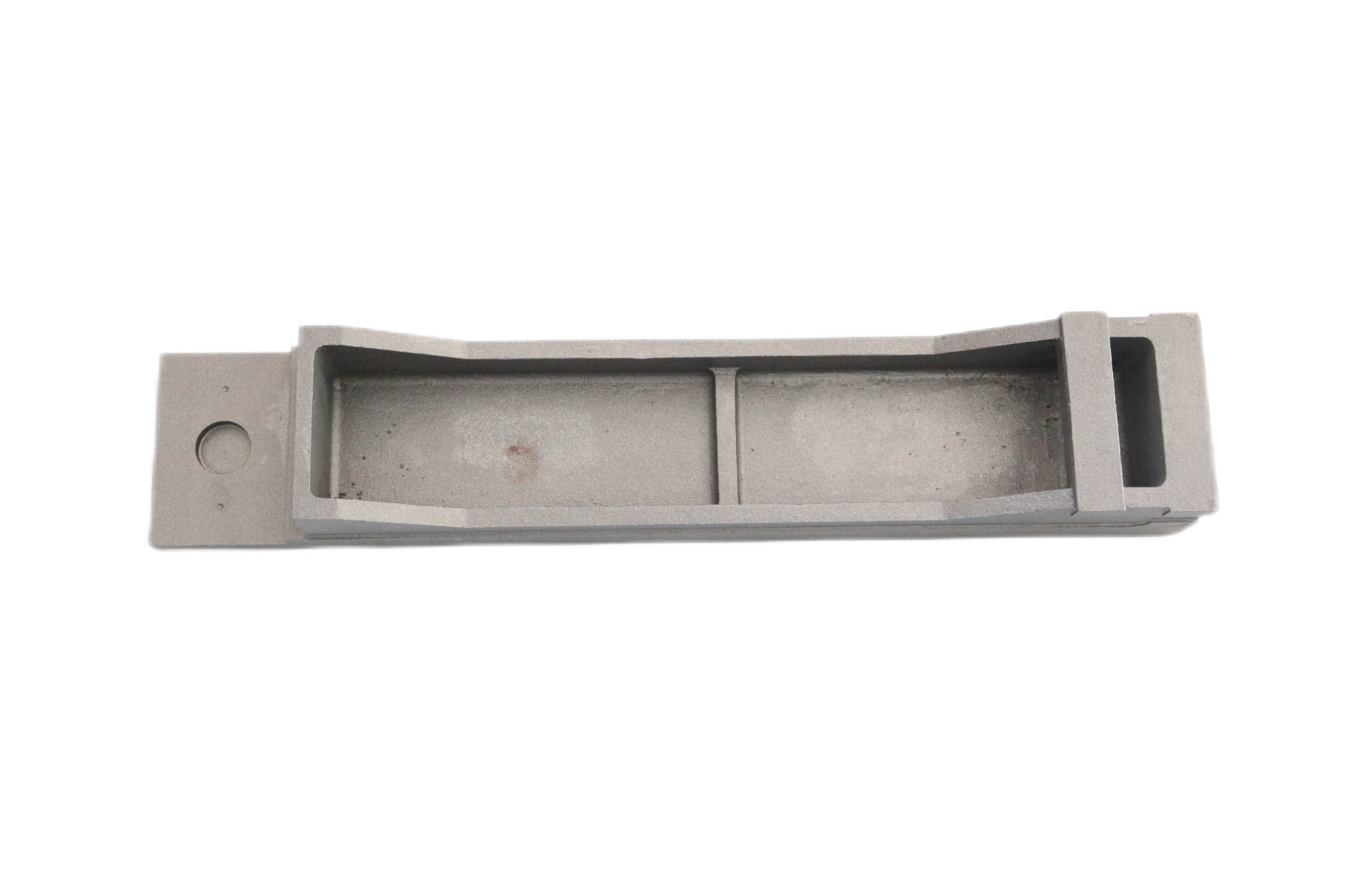
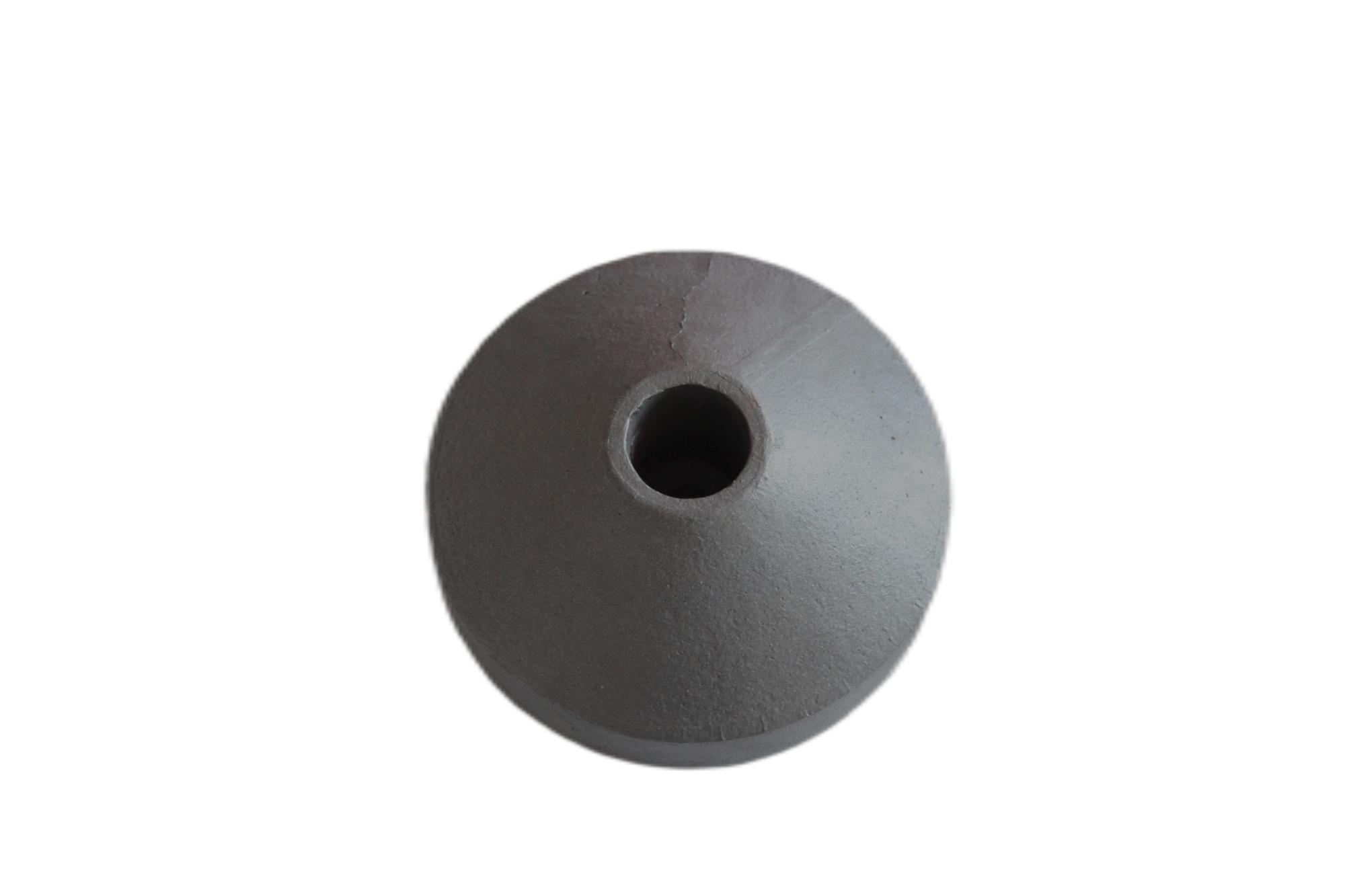
Our heat resistant steel for WTE is utilized in the production of high-stress components such as:
Boiler Tube Shields: Protecting heat exchange surfaces from erosive ash and corrosive gas.
Grate Beams & Side Plates: Supporting the mechanical bed in reciprocating incinerators.
Thermowell Sleeves: Shielding sensors from the extreme heat of the combustion chamber.
We employ Vacuum Induction Melting (VIM) and Lost Foam Casting to ensure the steel matrix is free from impurities and gas inclusions. This precision manufacturing results in a product with a stable hardness profile (typically 220–280 HB) that maintains its mechanical properties even after thousands of hours of continuous thermal exposure.
Simplified FAQ
Q: Why is "creep resistance" so important for WTE steel?
A: At high temperatures, metal slowly deforms over time. Our alloys are designed to resist this "creep," ensuring that grate bars and beams maintain their dimensions and don't jam the machinery.
Q: Can these steels handle the high chlorine content in plastic waste?
A: Yes. We offer specific grades with increased Nickel and Silicon content to provide a robust barrier against chloride-induced stress corrosion cracking.
Chemical composition % of heat resistant steel
This product is a customized product and is produced according to customer drawings or samples.
Casting Process

Casting Process

Casting Process

Casting Process

Casting Process
Delivery site

Delivery site

Delivery site

Delivery site

Delivery site
Inspections & Certifications
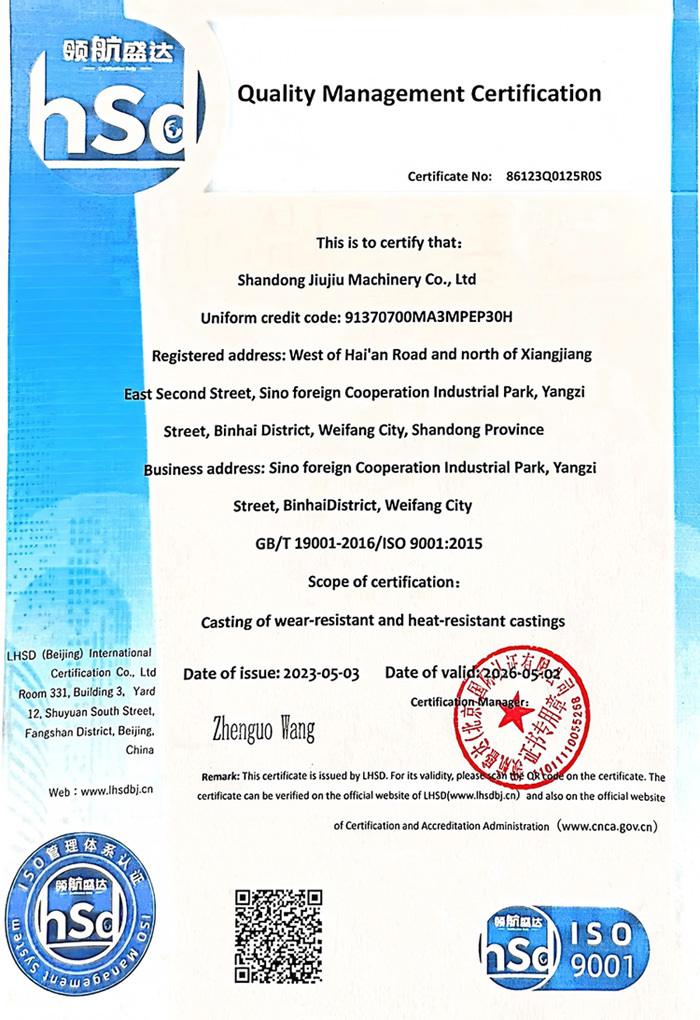
Certifications

Certifications
Customer visits
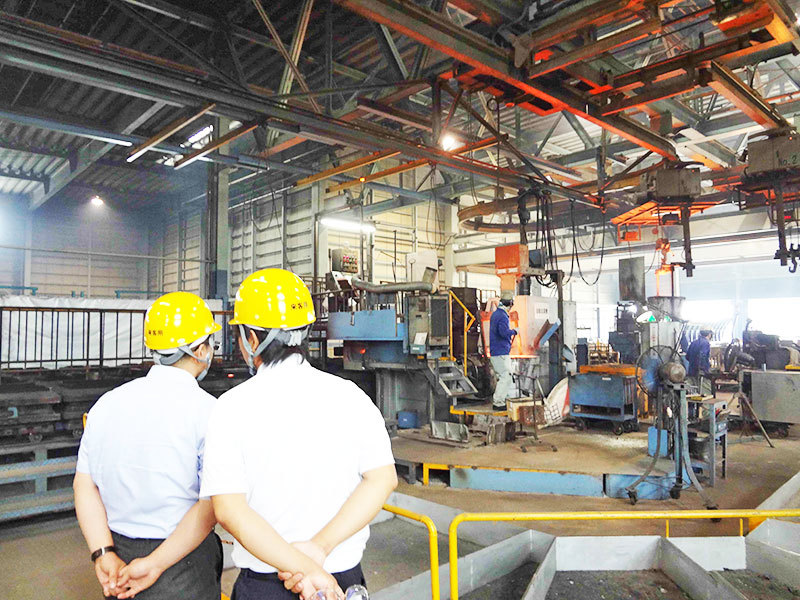
Customer visits

Customer visits
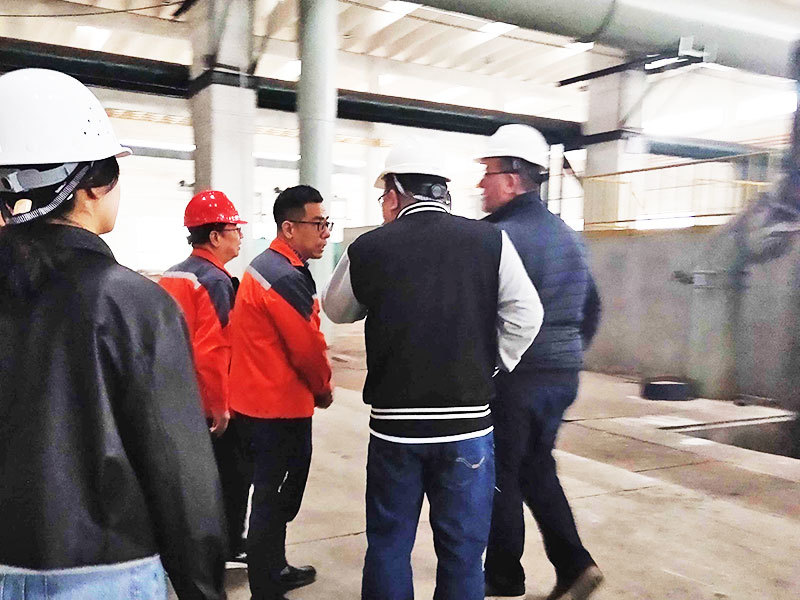
Customer visits

Customer visits
Keywords
heat resistant steel for WTE
heat resistant steel for WTE
Contact Us
Telephone:+86-13792621099
Weifang Binhai New Area Sino-foreign Cooperation Industrial Park, about 260 meters west of the intersection of Hai 'an Road and Zhenhai Street
Related Products
We believe: you will like more of our products


CONTACT US
Telephone:+86-13792621099
Weifang Binhai New Area Sino-foreign Cooperation Industrial Park, about 260 meters west of the intersection of Hai 'an Road and Zhenhai Street
REQUEST A QUOTE
* Please leave your contact information and we will contact you as soon as possible.
Copyright©2025 Shandong Jiujiu Machinery Co., Ltd. All rights reserved
Powered by 300.cn |SEOLabel Privacy Policy